India NewsCentre May Favour Platform-Led Social Media Rules Over Age Restrictions for Teenagers
The government is considering platform-led safeguards to regulate teenagers' social media usage, including screen-time limits, parental controls and restrictions during school hours, instead of imposing blanket age-based bans.
A
Annoushka Fernandes
Wednesday, 25 November 2026

The government is considering an industry-led approach to regulating teenagers' social media usage, moving away from the possibility of introducing strict age-based restrictions. Officials familiar with the discussions said the Ministry of Electronics and Information Technology (MeitY) is exploring measures that would require platforms to take greater responsibility for managing young users' online engagement.
The proposed approach could include daily screen-time limits, restrictions on social media access during school hours, night-time usage curbs and stronger parental controls. These measures broadly reflect proposals put forward by Meta in the United States, which include limiting teenagers' usage to two hours a day, restricting access between midnight and 6 am, muting notifications during school hours and sending reminders after every 15 minutes of continuous usage.
Officials said blanket bans could push teenagers towards less regulated platforms. However, companies must comply with the DPDP Act, which requires verifiable parental consent to process data belonging to users under 18.
WhatsApp is testing age verification in India as platforms prepare to comply with the DPDP Act. Meanwhile, Australia's under-16 social media restrictions have faced enforcement challenges, with children reportedly bypassing age checks using false details and existing accounts.
The government's approach signals a possible shift towards platform accountability and stronger online safety measures, rather than preventing teenagers from accessing social media altogether.
More in India News
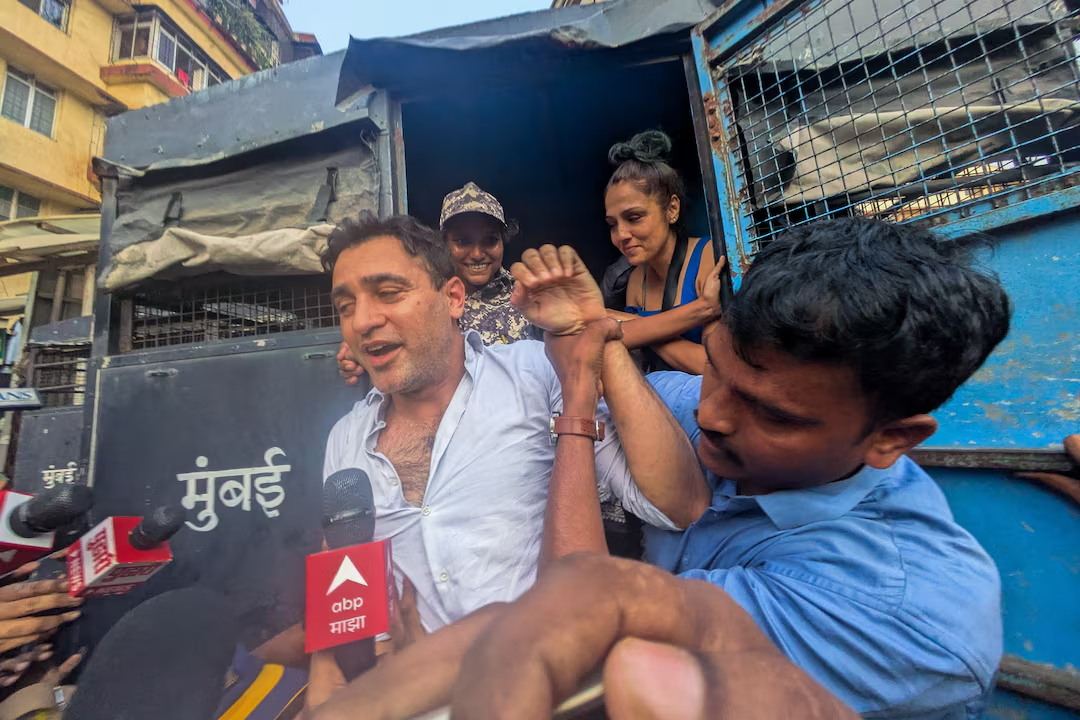
Imran Khan Asked to Leave India by October 28 Over Anti-CEC Protest; Opposition Slams Move
India News — 15 Oct 2026
2 Women Killed in Nalasopara Building Fire; 25 Rescued, 4 Stranded on Ledge
India News — 15 Oct 2026
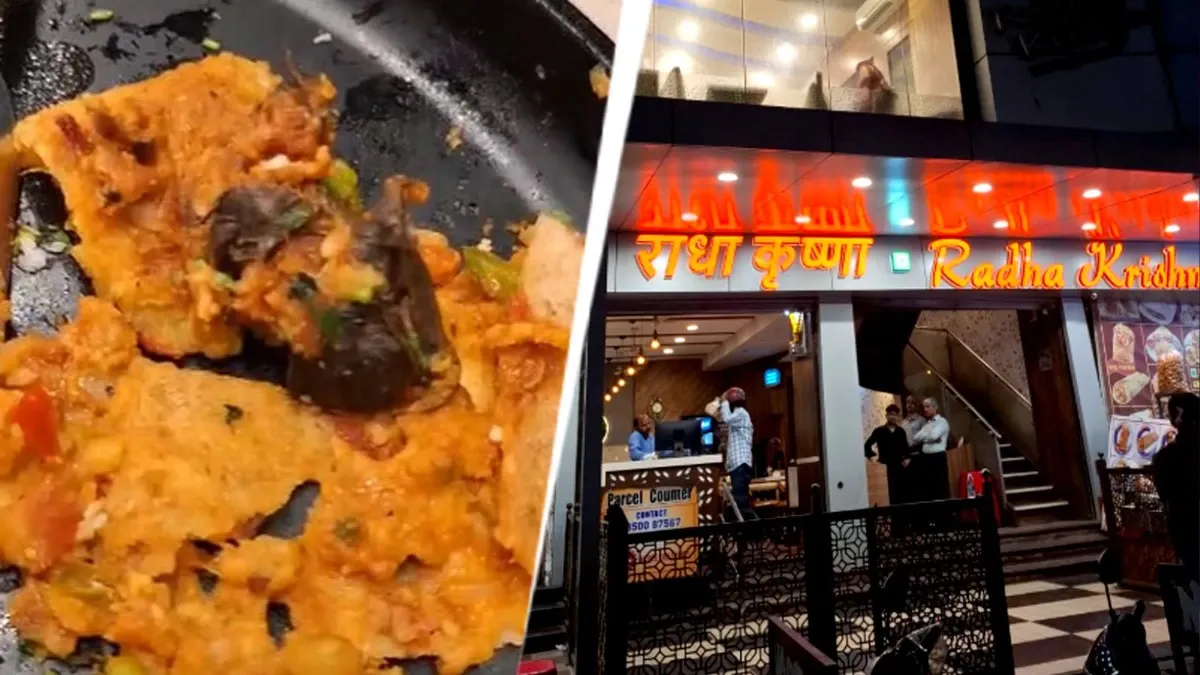
Dead Rat Allegedly Found In Mysore Masala Dosa At Borivali Restaurant, Police Complaint Filed
India News — 09 Oct 2026
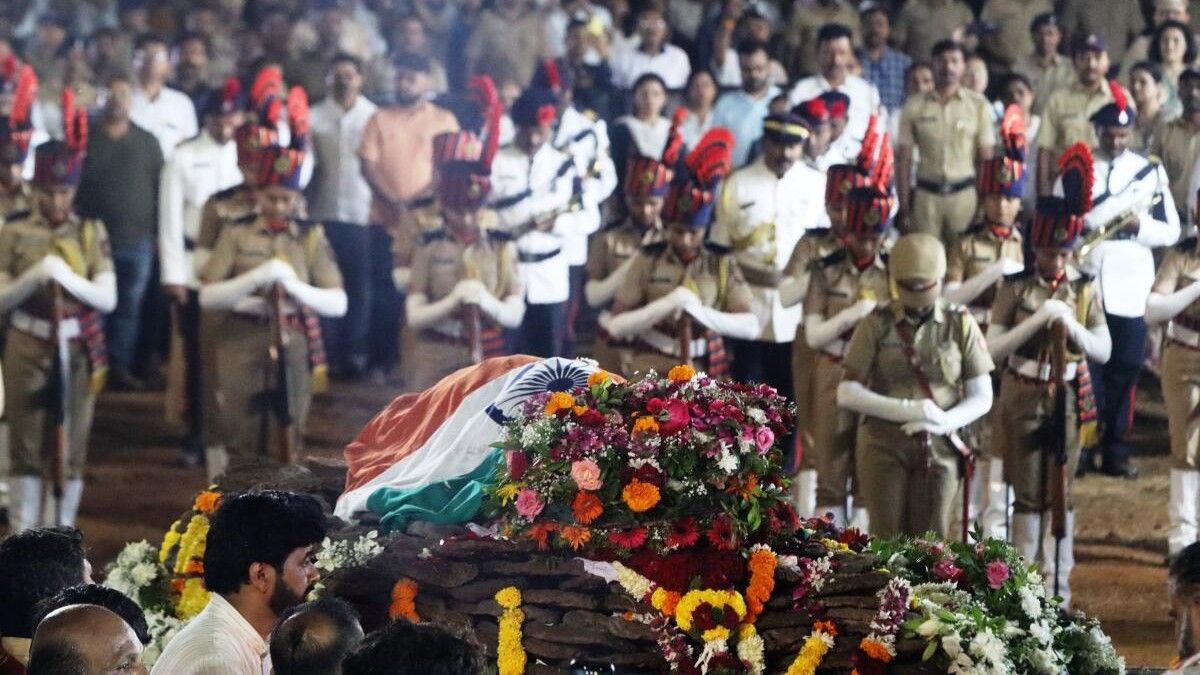
Nana Patekar Cremated With Full State Honours in Pune; Thousands Bid Emotional Farewell
India News — 09 Oct 2026